
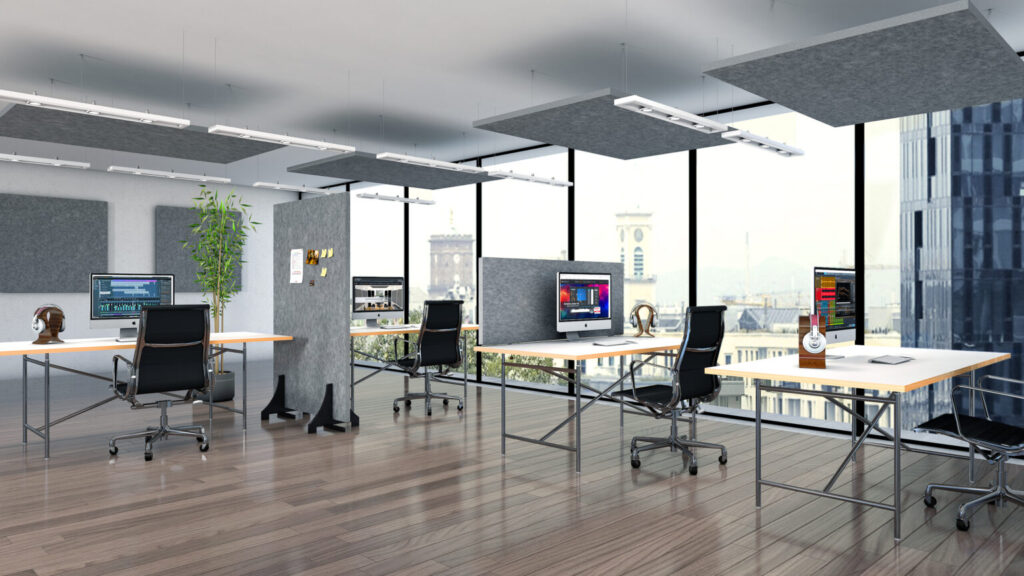
Open-plan offices, large glass surfaces, and the increasing number of video meetings in the workplace have one thing in common: they introduce more noise into everyday work life. Whether conversations, keyboard typing, or phone calls, all of these sounds quickly add up to a constant acoustic load. The effects are noticeable: reduced concentration, declining performance, and rising stress levels. Studies show that speech and overlapping conversations in particular can impair cognitive performance. In this context, it is not only the volume that matters, but above all the room acoustics — especially reverberation, which amplifies noise and reduces speech intelligibility.
The good news: with the right optimization of room acoustics, you can take targeted countermeasures. In this article, you will learn how to reduce noise, improve speech intelligibility, and create a more comfortable working environment.
Why Is It Often So Loud In The Office?
In many offices, the impression of “too much noise” arises even though the main cause usually lies in the room design: the acoustic properties are often not tailored to use as a working environment.
The high noise level is picked up and processed by our hearing without filtering, regardless of whether we are consciously focusing on it or not. Modern office concepts such as loft or industrial designs in particular intensify this problem: large, hard, and often bare surfaces cause sound to be strongly reflected and evenly distributed throughout the room. Even in traditional offices or home office environments, noise levels can quickly become uncomfortable without acoustic treatment.
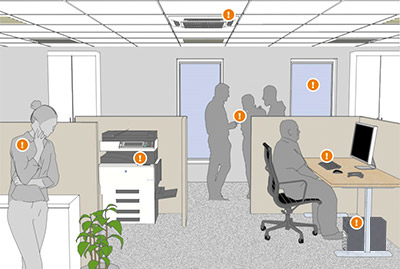
For context: guidelines such as DIN EN ISO 22955 provide reference values for office acoustics, recommending a maximum level of around 45 dB for focused work. However, typical everyday office noise quickly exceeds this level. A printer reaches around 50 dB, and a conversation in untreated rooms can reach up to 60 dB or more.
In addition, there is the so-called Lombard effect: in noisy environments, people automatically speak louder to be understood. When multiple conversations occur simultaneously, the overall noise level increases further without people being aware of it. This effect also works in reverse: when room acoustics are improved and background noise is reduced, people automatically speak more quietly, and the overall noise level in the room decreases.
This is why room acoustics are a decisive factor in how loud an office is perceived and how effectively focused work is possible.
Reflections
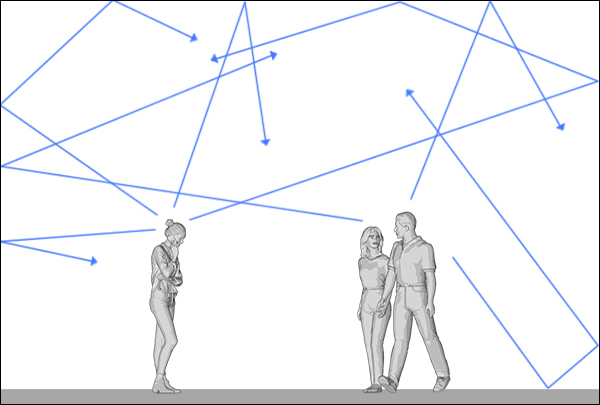
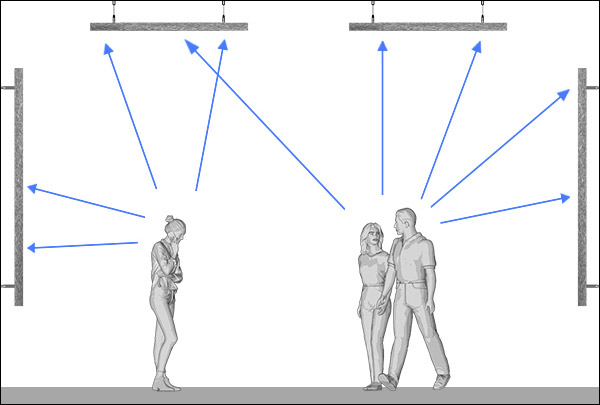
A major reason why sound spreads quickly throughout the office and creates a high noise level is sound reflection. Hard surfaces such as glass, concrete, parquet, or tiles reflect almost all sound energy. These reflected sound components mix with the direct sound, for example speech, as well as with the resulting reverberation. This overlap significantly increases the perceived sound level in the room.
Reverberation Time
One of the most important indicators of good room acoustics is the reverberation time. It describes how long a sound remains audible in a room after the sound source has already stopped. A first impression can be gained, for example, with a loud clap: if the reverberation is clearly noticeable, the reverberation time is usually already above one second.
The optimum reverberation time depends on the size and use of the room. According to the German Social Accident Insurance Institution, DGUV, the following reference values apply to unoccupied offices:
| Call centre | 0.5 seconds |
| Multi-person and open-plan office | 0.6 seconds |
| One- and two-person office | 0.8 seconds |
In practice, however, values in many acoustically untreated offices are well above one second.
Speech Intelligibility
Have you ever noticed that you have to speak louder in the office, yet the person you are talking to still has difficulty understanding you? Frequent repetition and tiring conversations are often the result. In many cases, this is caused by poor speech intelligibility due to the room acoustics. Speech intelligibility is directly linked to reverberation time and sound reflections in the room. It describes how clearly spoken content is actually understood. Reverberation and reflections overlap with the direct signal of the voice and significantly reduce intelligibility.
By increasing sound absorption in the room, speech intelligibility can be improved in a targeted way. The result: conversations become clearer, and you can speak more quietly without being understood less well.
The Effects Of High Noise Levels In The Office

The immediate effects of persistent background noise and poor speech intelligibility quickly become noticeable: concentration problems, a higher error rate, and an overall reduction in performance. In the medium term, a permanently high noise level affects employee well-being, increases stress levels, and leads to a sustained decline in productivity.
In the long term, this can also have health consequences – from mental strain and increased absenteeism to possible chronic complaints later in life. A study by the Cardiology Centre at the University Medical Centre Mainz comes to the same conclusion. It shows that noise exposure not only impairs cognitive performance, but can also increase stress, sleep disorders, and the risk of cardiovascular disease and strokes.
Measures To Improve Office Room Acoustics
Office room acoustics can often be noticeably improved with just a few targeted measures. The decisive factor is using the right materials in the right places in order to reduce reverberation and create a significantly calmer sound environment.
Sound Absorption
The most important measure is reducing sound reflections through absorption. Absorbing materials take in sound energy and prevent it from being reflected back into the room. This reduces the reverberation time and improves speech intelligibility.
Typical solutions include:
• Wall absorbers
• Ceiling absorbers
• Acoustic Pictures
• Textile elements such as curtains
The combination of several surfaces, for example wall and ceiling, is particularly effective.
Many acoustic problems in offices can be traced directly back to insufficient absorption.

Sound Insulation
While absorption reduces sound within a room, sound insulation is about shielding sound in a targeted way in order to separate areas acoustically.
This is particularly useful for:
• Telephone workstations
• Meeting areas
• Highly frequented zones
Typical measures include:
• Acoustic Room Dividers
• Acoustic Curtains
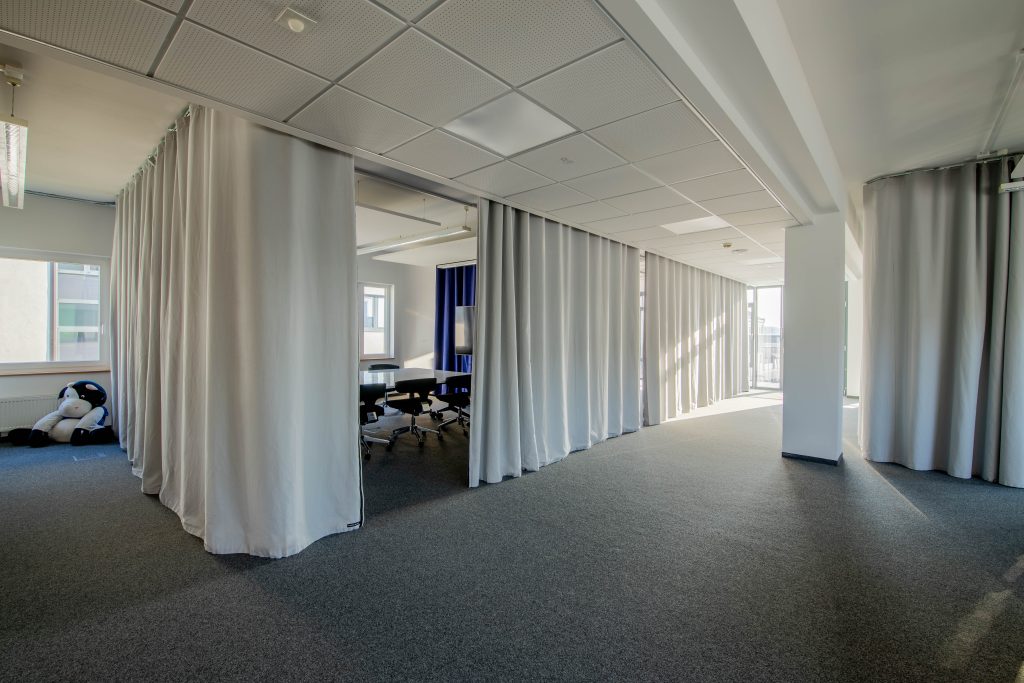
By the way: optimizing room acoustics does not have to be expensive. Often, just a few well-placed elements are enough to achieve a noticeable acoustic improvement. There are also affordable solutions with excellent acoustic properties for large rooms.
Better Office Acoustics With HOFA
Are you interested in our products and would like to optimize the acoustics of your office? Our experienced acousticians will be happy to advise you free of charge and help you find the right solution for your working environment.
In addition to high-quality acoustic products, we also offer comprehensive services such as professional room acoustics measurements, 3D room planning, and an installation service.
You can reach us by e-mail at [email protected] or by phone at +49 7251 3472-400.

HOFA Products At A Glance
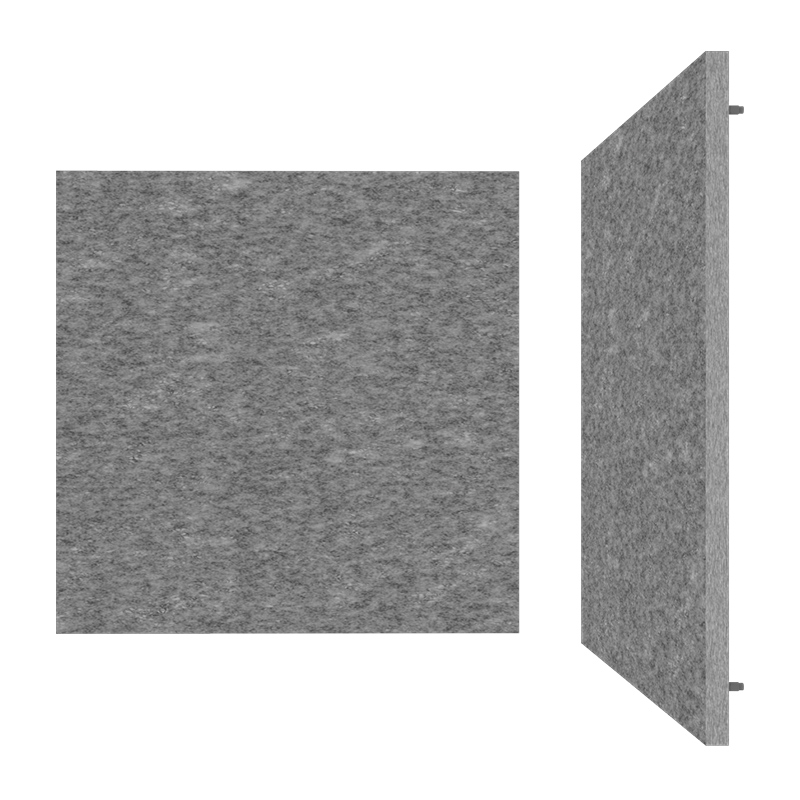
HOFA Wall Sail
Thanks to its high degree of absorption, the reverberation time in the room is significantly reduced. At the same time, the Wall Sail impresses with its simple, unobtrusive design and can be harmoniously integrated into a wide range of room concepts.
Further information ›
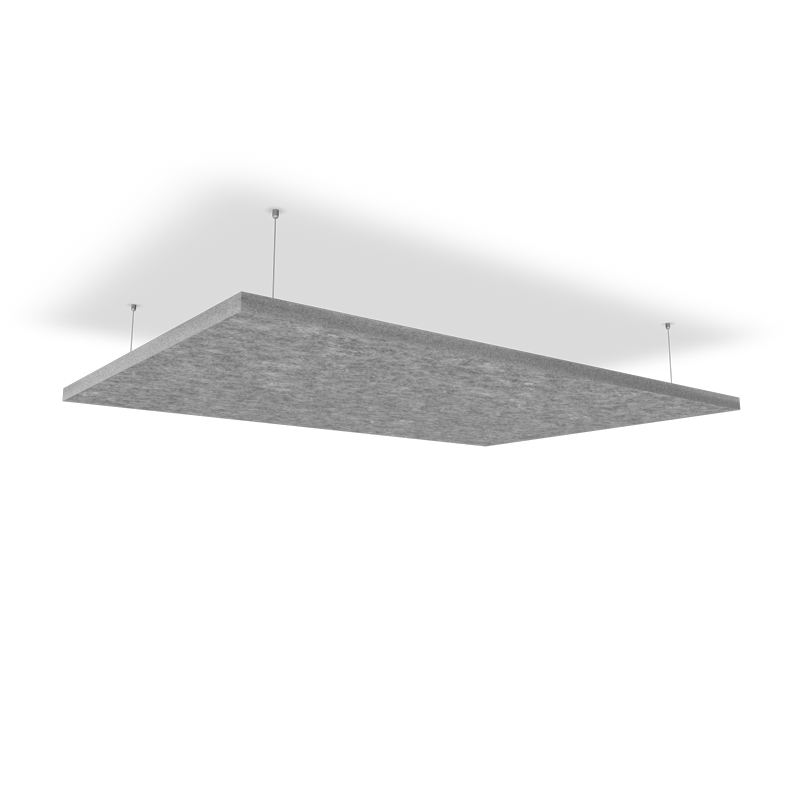
HOFA Ceiling Sail
The Ceiling Sail can be integrated into the room unobtrusively and reduces reverberation over a large area by absorbing sound reflections at the ceiling. This makes the room noticeably calmer from an acoustic point of view.
Further information›
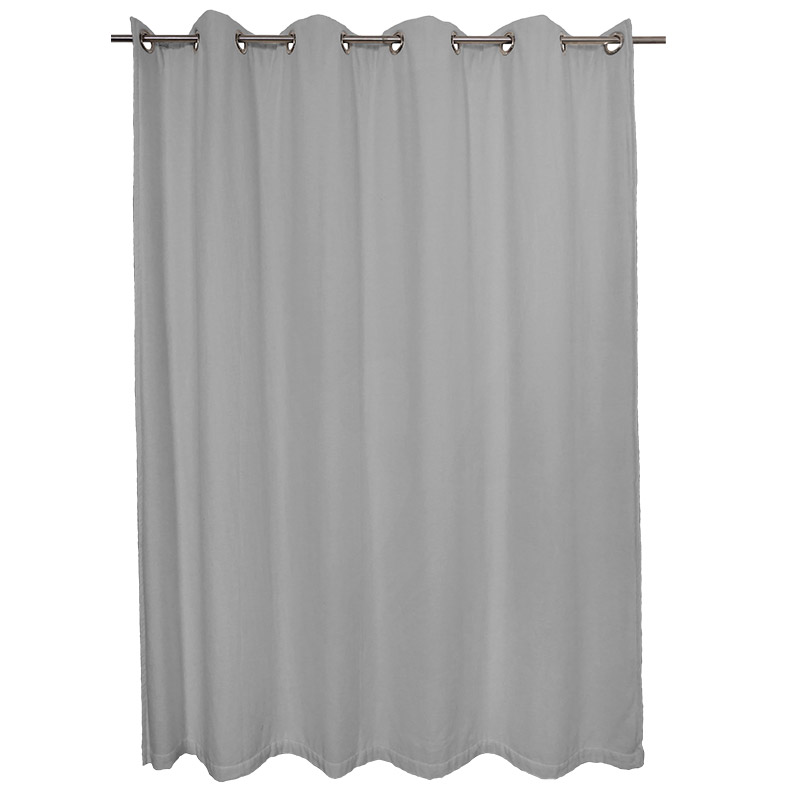
HOFA Acoustic Curtains
A flexible solution for glass surfaces or large rooms. The STUDIO version improves room acoustics in a targeted way through sound absorption, while the ISO version acoustically separates areas from one another and also contributes to improving the room acoustics. This allows rooms to be designed flexibly and effectively from an acoustic point of view.
Further information ›
HOFA Acoustic Room Dividers
Ideal for structuring work areas. They create acoustic and visual separation while also helping to reduce the reverberation time in the room.
Further information ›
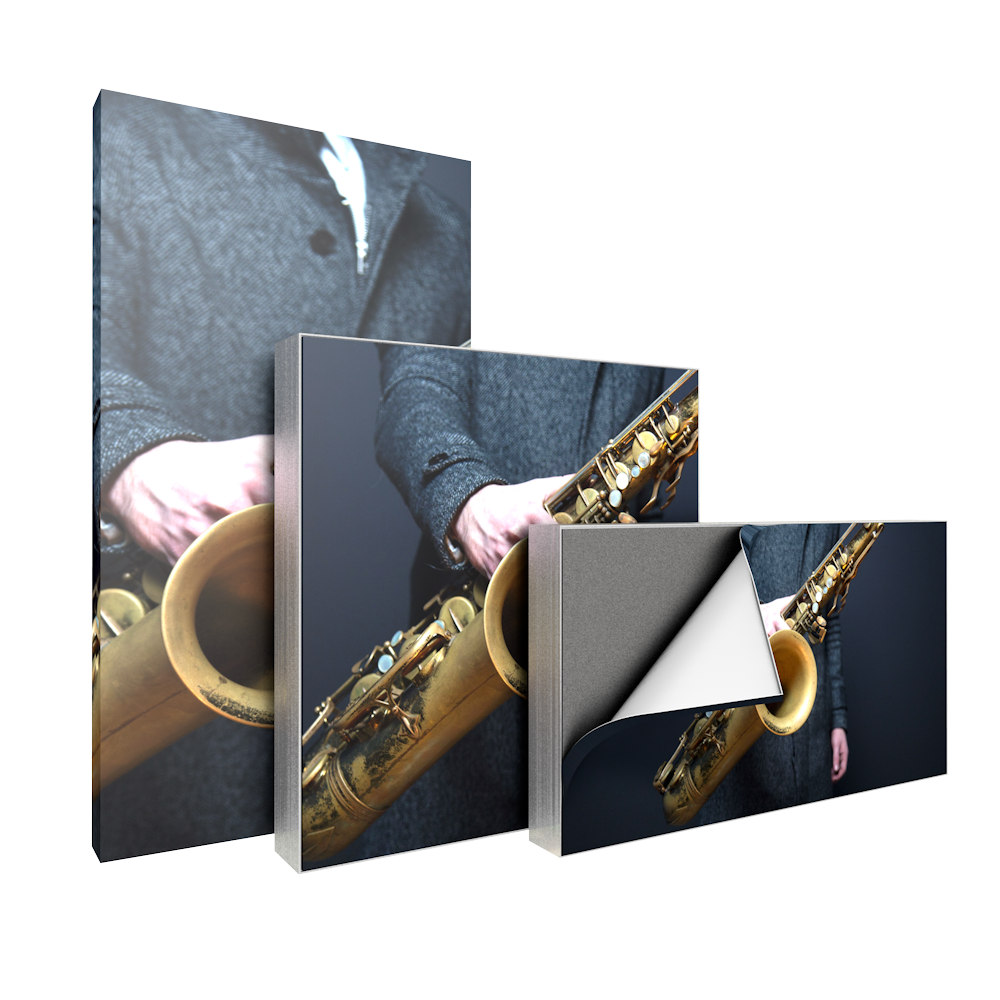
HOFA Acoustic Picture
They combine effective sound absorption with individual design and can be seamlessly integrated into existing room concepts.
Further information›
Room Acoustics Planning And Consultation
For complex room concepts, HOFA offers customized planning tailored to use, room size, and design requirements. Feel free to contact us — we will support you with our experience and advise you personally.
Further information