
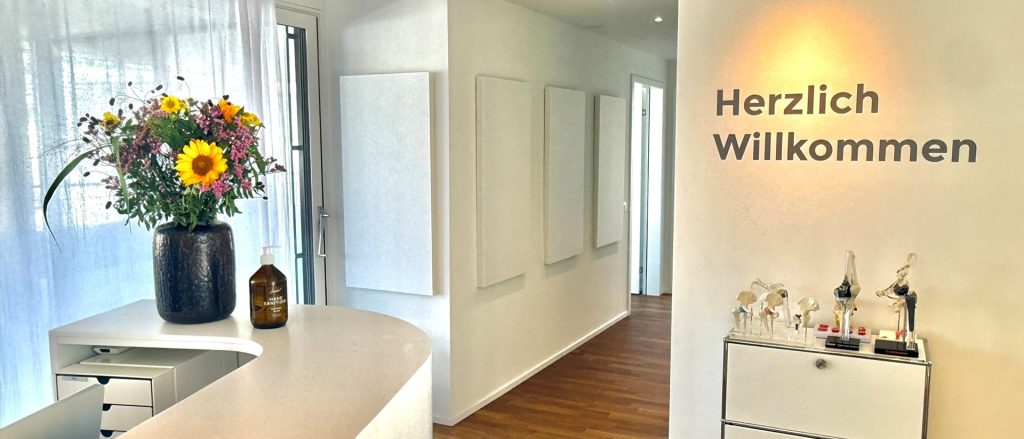
The phone at reception rings, the waiting room feels restless, and equipment creates additional noise. Especially in medical practices, where a calming atmosphere is desirable for both patients and medical staff, the volume is often too high—causing avoidable stress for everyone involved.
This situation is often made worse by modern practice architecture: glass fronts, smooth walls, and hard floors may be on trend, but strong sound reflections massively impair acoustics. All these factors reduce staff performance on the one hand—while on the other, patients feel stressed and less at ease.
Room-acoustics optimization can provide relief—whether in a family doctor’s practice, at the dentist, or in a psychological consultation. In this article, you’ll learn how to reduce noise, improve speech intelligibility, and create a more pleasant working and treatment environment.
Why good room acoustics in practices is crucial
Well-planned room acoustics directly affects four key areas of everyday practice life:
- Less stress and better working conditions:
Ongoing noise exposure has short- and long-term consequences. A loud soundscape reduces concentration and increases stress for staff. In the long term, sleep problems, absences due to psychological strain, and chronic complaints can result. A study by the Cardiology Center at University Medical Center Mainz even shows that noise exposure not only impairs cognitive performance, but can also increase the risk of cardiovascular disease. This is where room-acoustics optimization can provide effective relief. - Better speech intelligibility:
In healthcare, clear, relaxed communication is essential. Older patients with reduced hearing suffer particularly from echoey acoustics, because medical instructions simply blur in the room. - More discretion and data protection:
Confidential information must stay between doctor and patient. Insufficient acoustic isolation often means sensitive data can be overheard in the hallway or waiting room. - A more pleasant patient experience:
A practice with calmer acoustics immediately conveys competence and calm—and that means less stress and the most relaxed stay possible for patients.
Typical acoustic challenges in different practice areas
Acoustic problems are part of everyday life in many medical facilities. However, the specific challenges and the measures required vary greatly depending on the area of use.
Reception and check-in
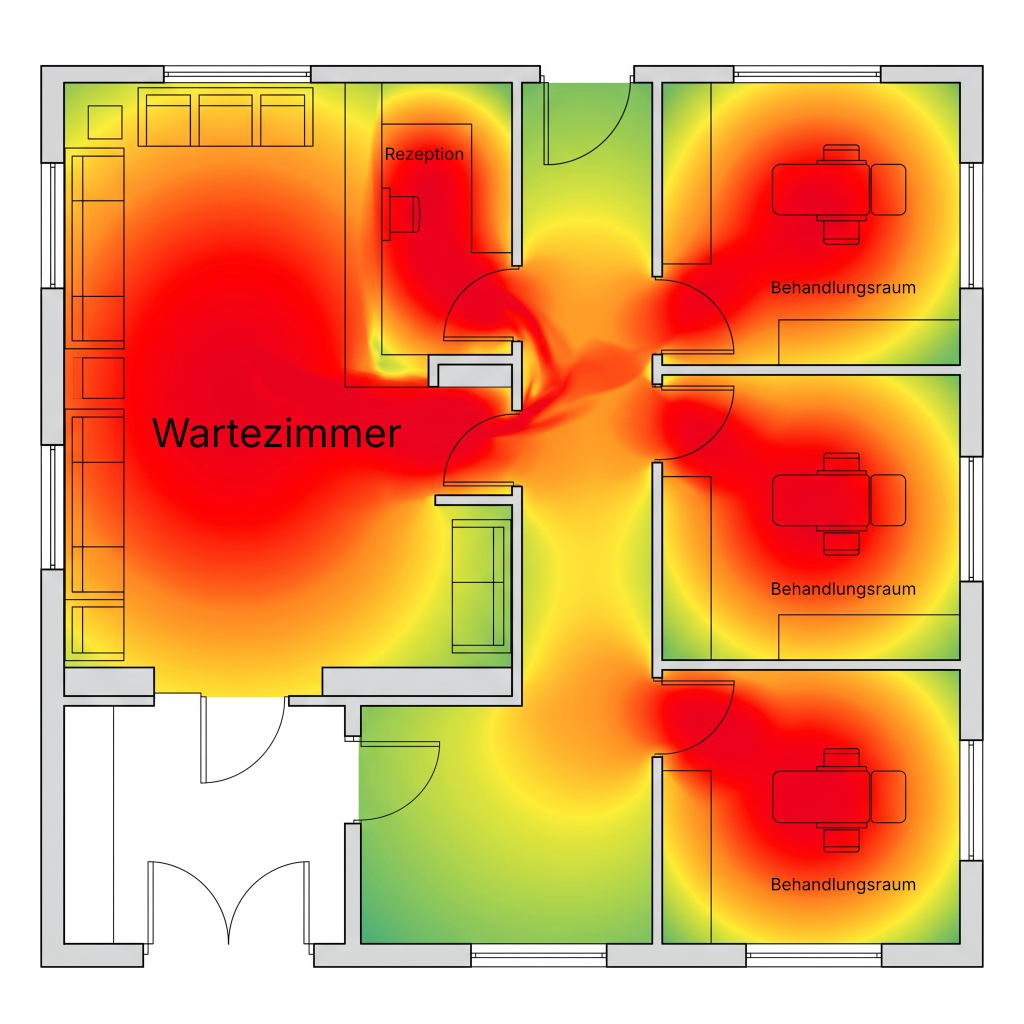
This is where everything comes together. The phone rings constantly, patients ask questions, printers rattle. The challenge is to reduce the team’s stress level, create a welcoming reception atmosphere, and maintain discretion.
Waiting room
Many people in a small space, long waiting times, children playing, or flipping through magazines. Sound builds up here. The goal is to absorb noise directly so the volume doesn’t escalate and patients can wait for their appointment in a relaxed way.
Treatment rooms
In examination rooms, clear communication is the priority. The doctor should be understood without having to speak loudly. At the same time, privacy is maintained toward the outside.
Psychotherapy / counseling
In therapeutic sessions, a calm, safe atmosphere for conversation and optimal speech intelligibility are essential. High reverberation in untreated rooms works against this. In addition, conversations must not be audible in adjacent rooms.
Dental practices
High-frequency sounds such as the whirring of equipment dominate here. Poor room acoustics can contribute to these noises causing avoidable discomfort for patients—both in the treatment room and in adjacent waiting areas.
Why are practices often too loud?
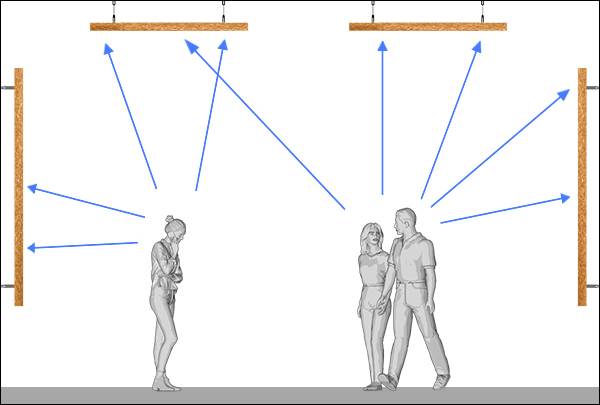
To solve the problem, you first need to understand how it arises. A key reason sound spreads more strongly in a practice is sound reflections.
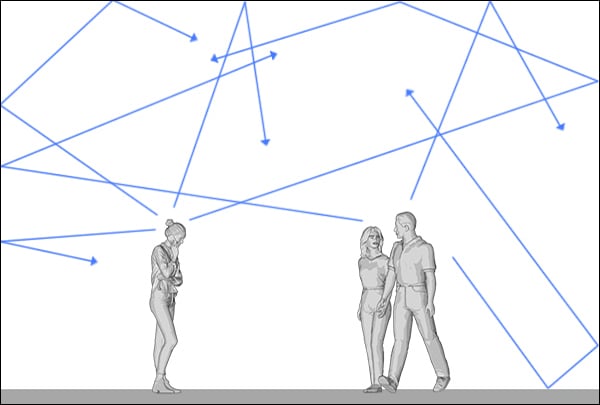
Hard surfaces such as glass, concrete, linoleum, or tiles reflect almost all sound energy back into the room like a mirror. These reflected sound components mix with the direct sound (such as a voice) and create a long reverberation time. This overlap of direct sound and echo significantly increases the perceived volume level in the room.
This is exactly where a tricky psychological phenomenon often comes into play: the so-called Lombard effect. In loud, restless environments, people unconsciously tend to raise their speaking volume to be understood. This triggers a chain reaction—conversations escalate, the noise level rises further, and stress for everyone involved is maximized.
Solutions for better room acoustics in practices
To optimize room acoustics, smaller targeted measures are often enough—measures that can be implemented quickly and on a manageable budget. Basically, there are two types of room-acoustics optimization: sound absorption and sound insulation.
Sound absorption (reduce reverberation)
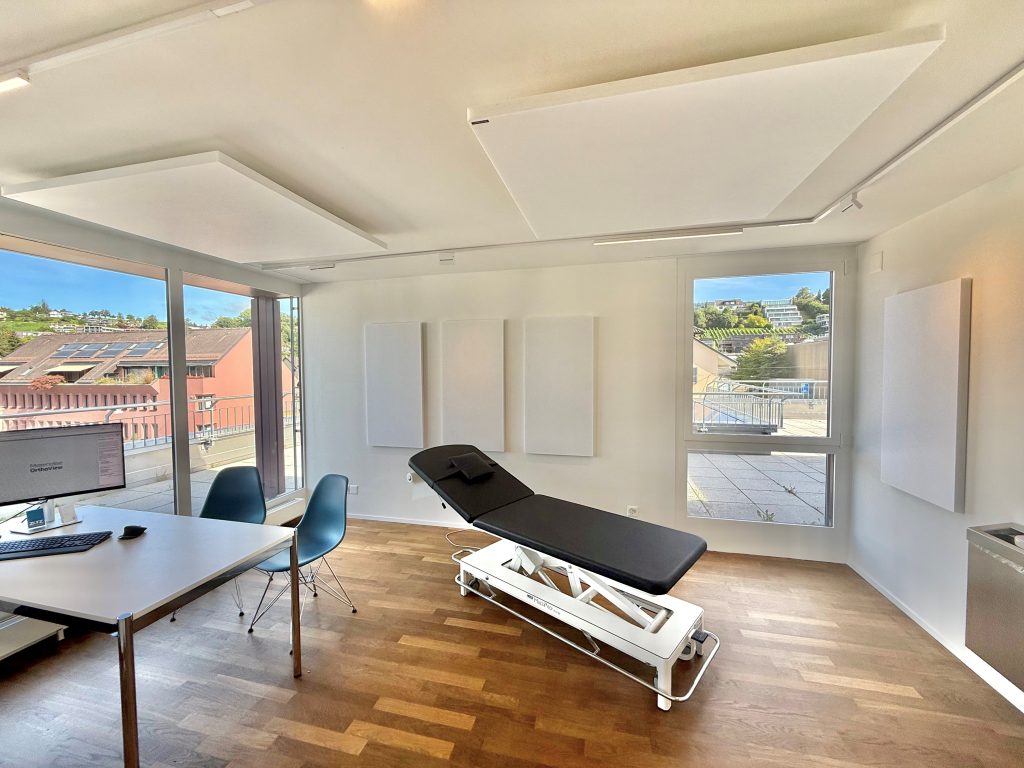
The most important measure for reducing sound reflections is absorption. Absorbing materials take in the sound energy, essentially “swallow” it, and prevent sound from being reflected back into the room. This reduces reverberation time and improves speech intelligibility. Many acoustic problems in practices can be traced directly to insufficient absorption. Acoustic modules such as these help:
Where does this make sense? Mainly at reception and in the waiting room. These areas become acoustically calmer, creating a more relaxed atmosphere. In psychotherapy, absorbing elements also help enable smooth conversations without echoes. Combining multiple surfaces (e.g., wall and ceiling) is particularly effective.
Sound insulation (separating rooms)
While absorption reduces sound within a room, sound insulation is about specifically shielding sound transmission between different areas and acoustically separating rooms. Acoustic elements such as these help:
Where does this make sense? Especially at receptions, in waiting rooms, or in high-traffic zones. Acoustic curtains can be used, for example, to create discretion at a family doctor’s reception desk. In a dental practice, sound insulation ensures that patients in the waiting room aren’t disturbed by work-related noise.

HOFA acoustic solutions for practices
Every noise source requires the right acoustic tool. HOFA products address exactly where typical practice problems arise—visually appealing, flexible to integrate, and highly effective:
HOFA ceiling baffles – for large rooms and waiting areas:
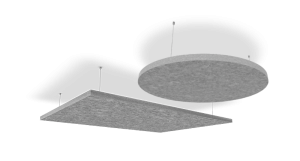
If the waiting room or spacious reception area is very echoey, there’s often a lack of free wall space for absorbers. HOFA ceiling baffles use the ceiling area to absorb sound directly from above before it can spread through the room. They significantly reduce the basic noise level without taking up space in the room. HOFA acoustic baffles are tested for harmful substances, odor-neutral, free of formaldehyde, bacteriostatic, and allergy-friendly. The PureAkust material also meets OEKO-TEX® STANDARD 100 (highest product class).

HOFA acoustic pictures – for treatment and consultation rooms:
To improve speech intelligibility in treatment rooms while enhancing the look of the space, HOFA acoustic pictures are the ideal choice. They combine highly efficient sound absorption with custom design. What’s more, the motifs on the framed HOFA acoustic picture can be easily removed and washed.

HOFA acoustic curtains – for flexible room separation and discretion:
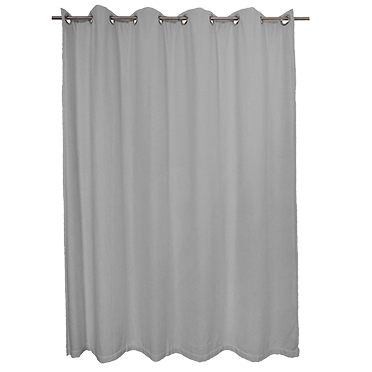
If the reception area is too open or there are no discretion zones, custom-made HOFA acoustic curtains are a great option. They act as flexible sound protection, as a room divider (sound insulation), and as an absorber with sound-absorbing properties. Ideal for acoustically separating patient conversations from the waiting area.
Conclusion: Better room acoustics for more calm and better communication
Room acoustics is far more than just a construction detail—it’s a decisive quality factor for any medical practice. Optimized acoustics improve working conditions for the practice team and noticeably enhance the patient experience.
And improving room acoustics doesn’t require major remodeling. On the contrary: even small, strategically placed measures such as acoustic pictures or ceiling baffles can have a noticeable effect and can be installed easily during ongoing practice operations. Would you like to reduce the noise level in your practice? Feel free to contact us for a non-binding consultation and planning. Together, we’ll find the right solution for your individual premises.
FAQ – Frequently asked questions about room acoustics in practices
What does acoustic optimization achieve in a medical practice?
It lowers staff stress levels by reducing background noise, improves speech intelligibility in doctor–patient conversations, and helps keep conversations and information more discreet.
Which acoustic elements are suitable for practices?
Proven options include easy-to-clean, frameless ceiling baffles, acoustic pictures (which also serve as decoration), and flexible acoustic curtains for room separation, as these elements take up little space and can be installed without a construction site.
What’s the difference between sound insulation and sound absorption?
Effective sound absorption “swallows” sound within a room and prevents reverberation and echo. Sound insulation, on the other hand, blocks sound transmission into another room or area.
How can you improve acoustics in the waiting room?
Because many people come together in the waiting room, large-surface absorbers help most. Ceiling baffles are especially effective here, combined with visually appealing acoustic pictures on free wall areas to dampen loud speech noise.
Reference projects
- Anna Hahn
 “We bought an ISO 5 acoustic curtain from HOFA for our yoga studio to block out noise from the nearby stairwell. We are absolutely delighted with how effective the curtain is – no noise from the stairwell can be heard anymore.… Read more: Anna Hahn
 - Dr. Reiner Härtel, Centre for Orthopaedics and Traumatology Zürichsee
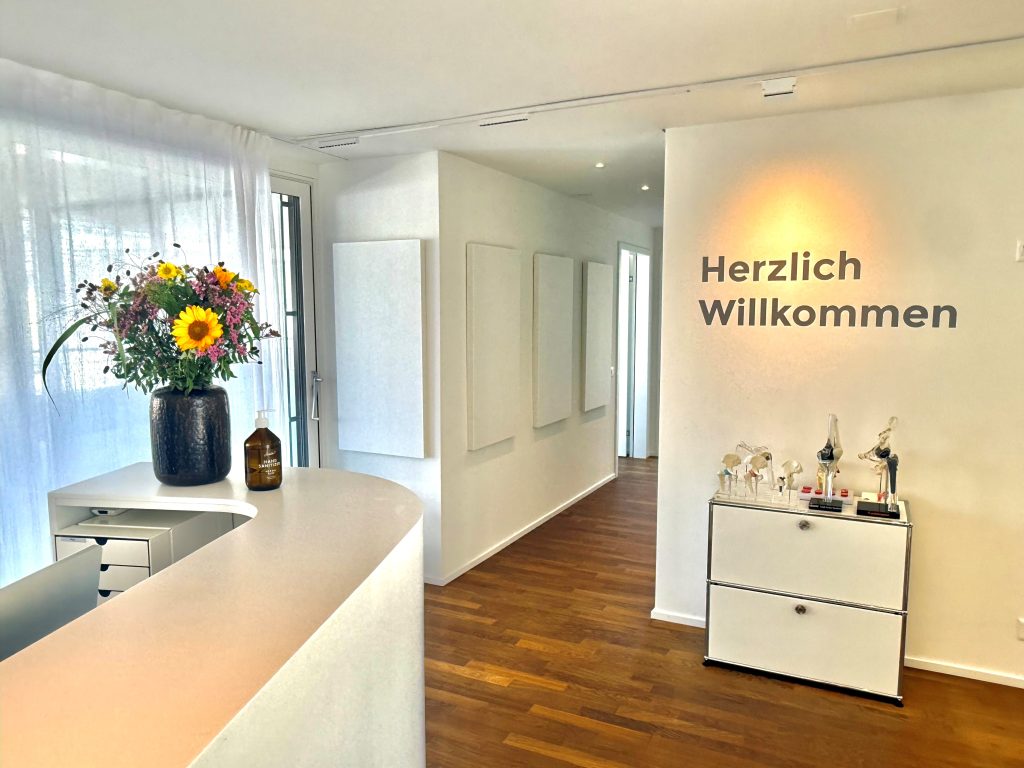 “We installed the modules just two weeks ago and are very pleased with them. Thanks to the acoustic modules, the noise level in our practice has dropped significantly, making it much easier for our staff to talk to patients.”Dr. med. Reiner… Read more: Dr. Reiner Härtel, Centre for Orthopaedics and Traumatology Zürichsee
 - Sara R., Psychologist
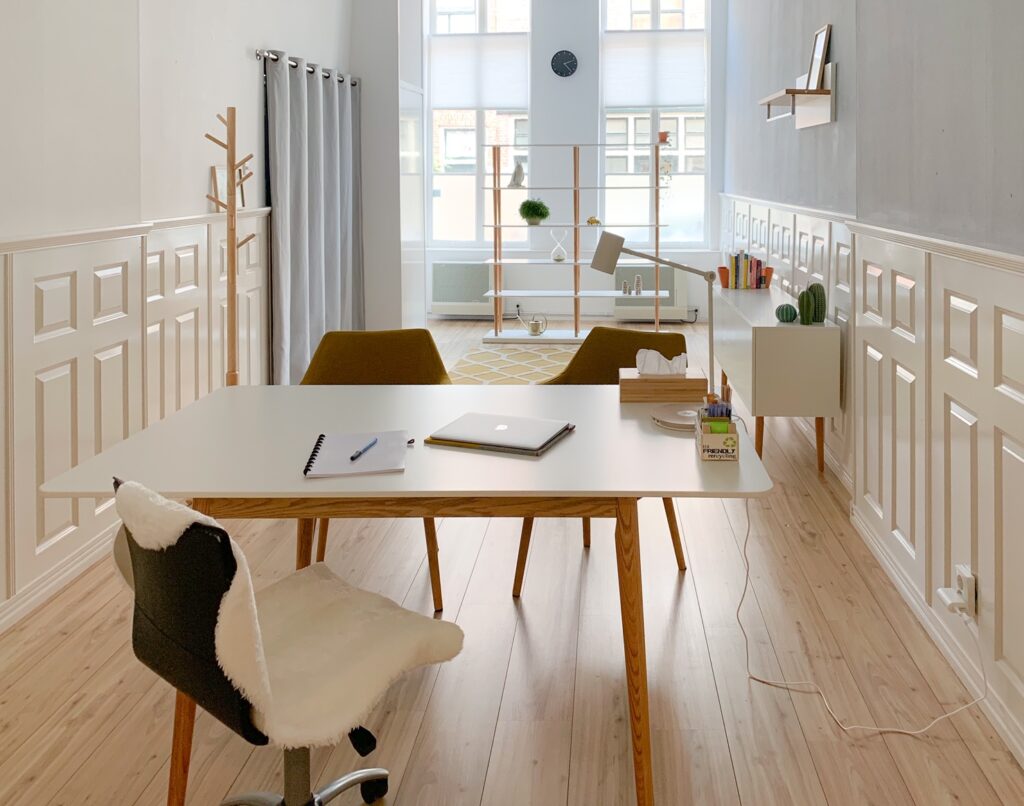 “I purchased the 7 layered acoustic isolating curtain and I am very happy I did. It’s purpose was to minimise sound of voices from leaking through a glass door with large spaces between the door and its frame. As a psychologist… Read more: Sara R., Psychologist