
A lot of planning effort and budget often go into representative, modern office spaces. Open-plan concepts, smooth surfaces, and large glass fronts may look stylish—but in day-to-day work, one major problem becomes clear: noise. If the team can barely focus because every phone call or conversation disrupts the room, not only does productivity drop, but satisfaction does too. Workplace noise causes unconscious stress, higher error rates, and in the worst case, more sick leave. Effective office acoustics optimization protects employees and creates a professional impression for customers and partners.
In this blog post, you’ll learn what positive effects improving office acoustics can have:
1. Less stress and greater well-being
In echoey offices, a restless, hectic atmosphere quickly develops. The human brain isn’t designed to filter out irrelevant background noise over long periods. This constant acoustic state of alert quickly leads to sensory overload, raising the level of the stress hormone adrenaline and causing fatigue—often without those affected consciously noticing the stress (Evans & Johnson, 2000). Professional acoustic treatment takes the strain off your ears and mind and creates a noticeably calmer working atmosphere.
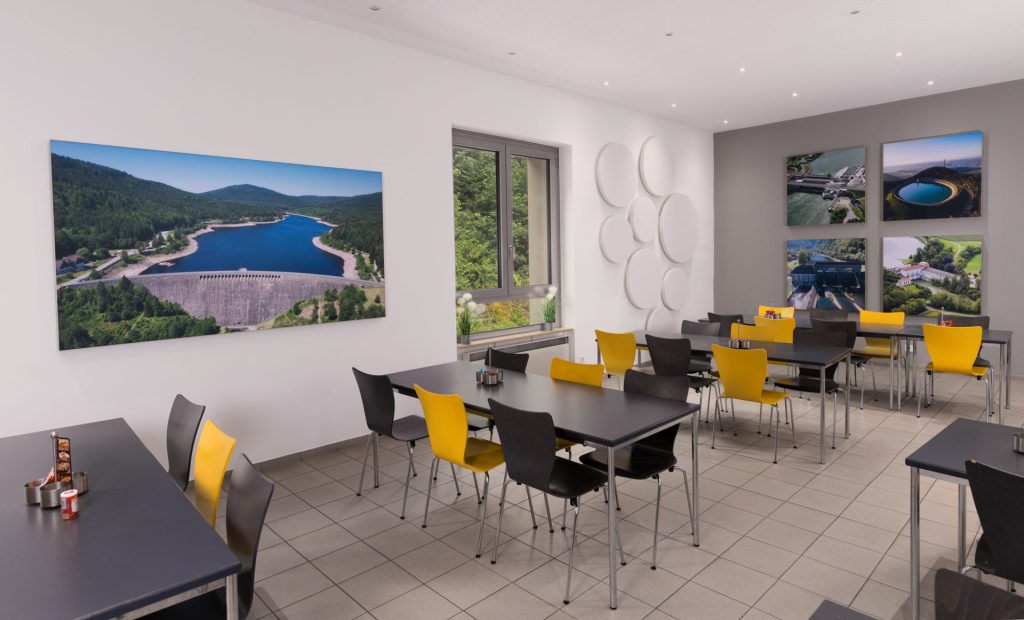
This also applies to the break room: calm, conversation-friendly acoustics are especially recommended there so employees can truly recharge during breaks instead of being further stressed by cafeteria noise. Tangible measures like these that support health and well-being actively help retain valuable staff in the long term.
2. Work with more focus and productivity
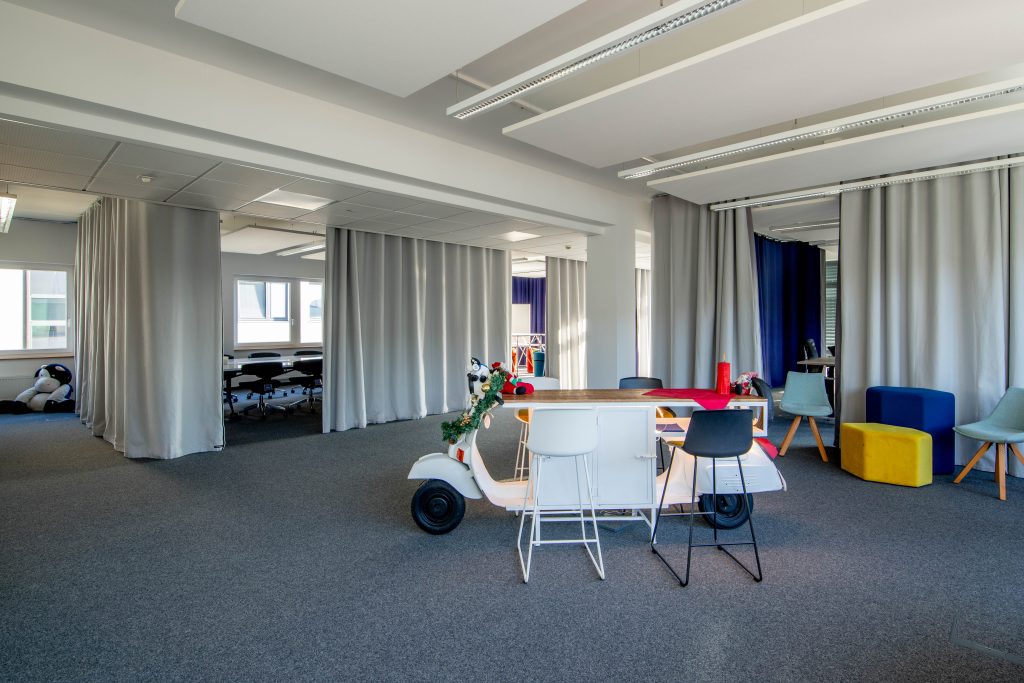
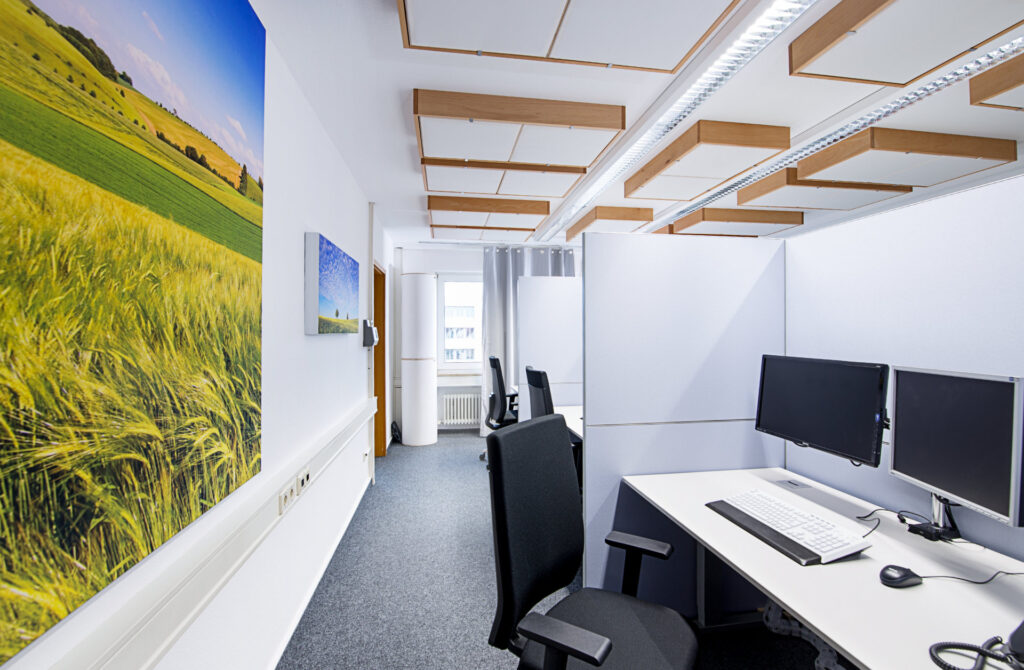
In everyday office life, you’re constantly acoustically stressed and distracted by colleagues’ phone calls, clacking keyboards, or conversations in the hallway. A study by the University of California shows that after an interruption, it often takes many minutes to get back into a state of focused work (deep work). By strategically using curtains, desk dividers, and acoustic clouds, the room is not only calmed overall, but acoustically separated work zones are created. Direct sound is intercepted before it can spread through the room. This enables sustained deep concentration, reduces error rates, and leads to noticeably higher productivity. What’s more, such a professional, quiet environment is a strong quality feature that makes workplaces more attractive to new, talented professionals.
3. Better speech intelligibility in digital meetings and calls
In times of hybrid work models, video calls and conference calls are part of everyday life. An echoey, tinny, unclear sound is picked up directly by the microphone and comes across as highly unprofessional—especially in customer meetings. If customers or business partners have to constantly strain to understand what’s being said, cognitive fatigue quickly sets in. Important nuances in negotiations get lost, the tone of the conversation suffers, and the persuasiveness of your presentation measurably decreases. Targeted room acoustics optimization in the office and home office significantly reduces distracting flutter echoes and excessive reverberation. The result is a present, professional, and pleasantly clear voice sound that conveys competence and ensures smooth, fatigue-free communication.
4. Maintain discretion and create acoustically separated areas
In open-plan offices, maintaining privacy and creating a confidential setting for conversations is a major challenge. HR meetings, customer meetings, contract negotiations, or internal strategy discussions usually need to be held discreetly. This isn’t only about protecting sensitive business information—which can quickly become relevant under data protection law (GDPR) when customer data is involved—but also about protecting employees who aren’t involved. From an evolutionary perspective, the human brain is programmed to unconsciously follow understandable snippets of speech, which massively disrupts the concentration of nearby colleagues.
In acoustic planning, this is about the targeted reduction of speech transmission over longer distances. HOFA acoustic modules help physically interrupt sound paths and create effective room-acoustic shielding. This can also compensate for insufficient sound insulation from thin walls or doors.
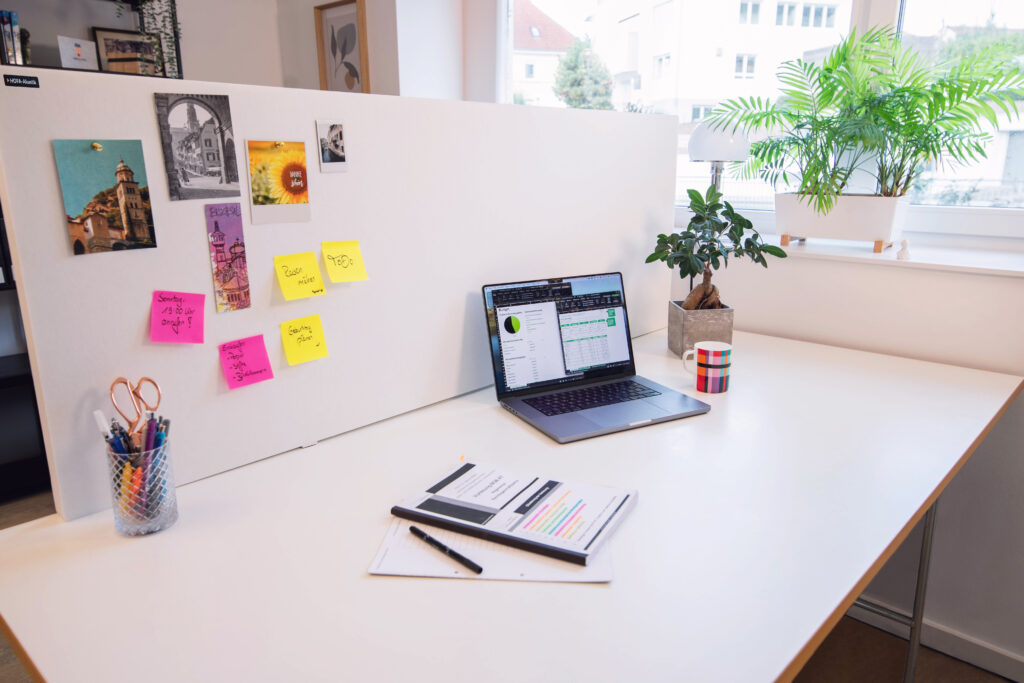
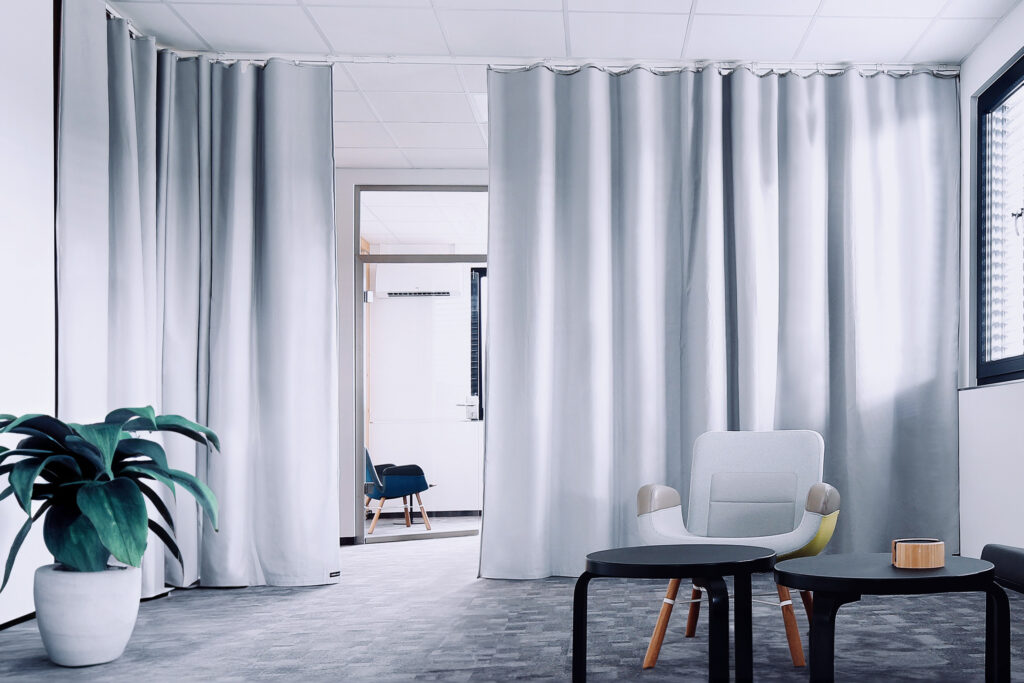
Using sound-absorbing desk dividers, acoustic curtains, mobile partition walls, or suspended ceiling clouds creates protected communication zones. This allows confidential content to be discussed without disruption, without having to change the room’s architecture.
5. Enhance the look of your space and strengthen your corporate design
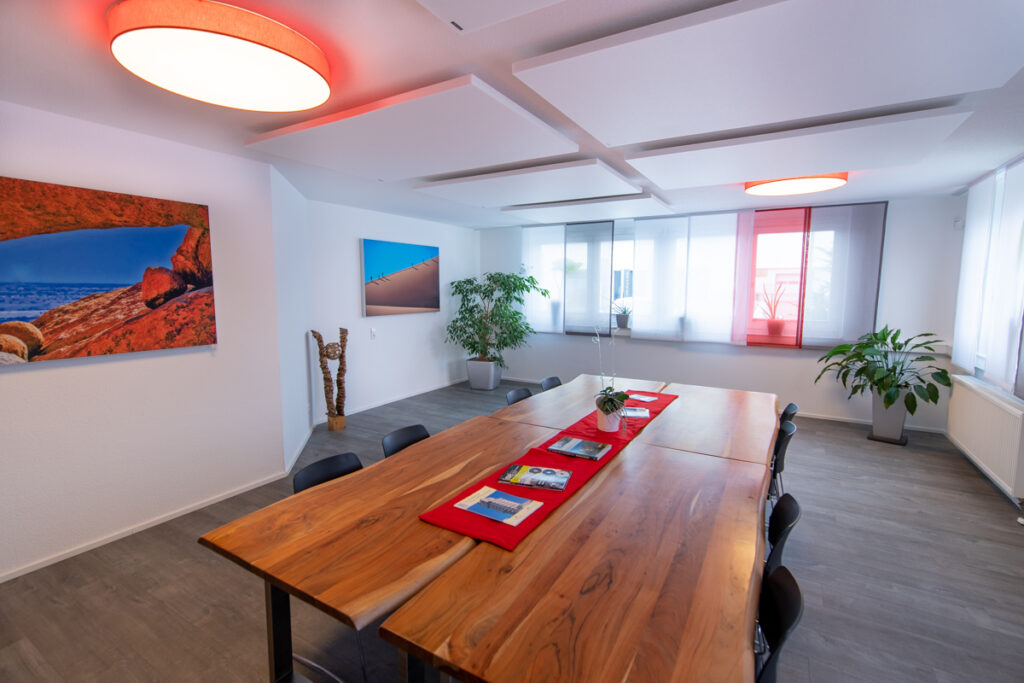
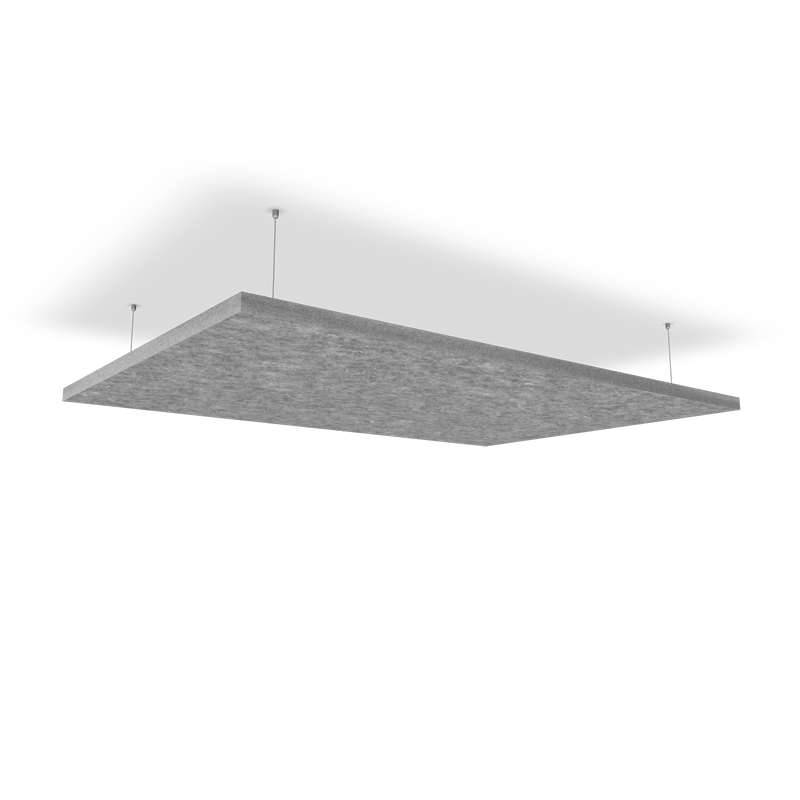
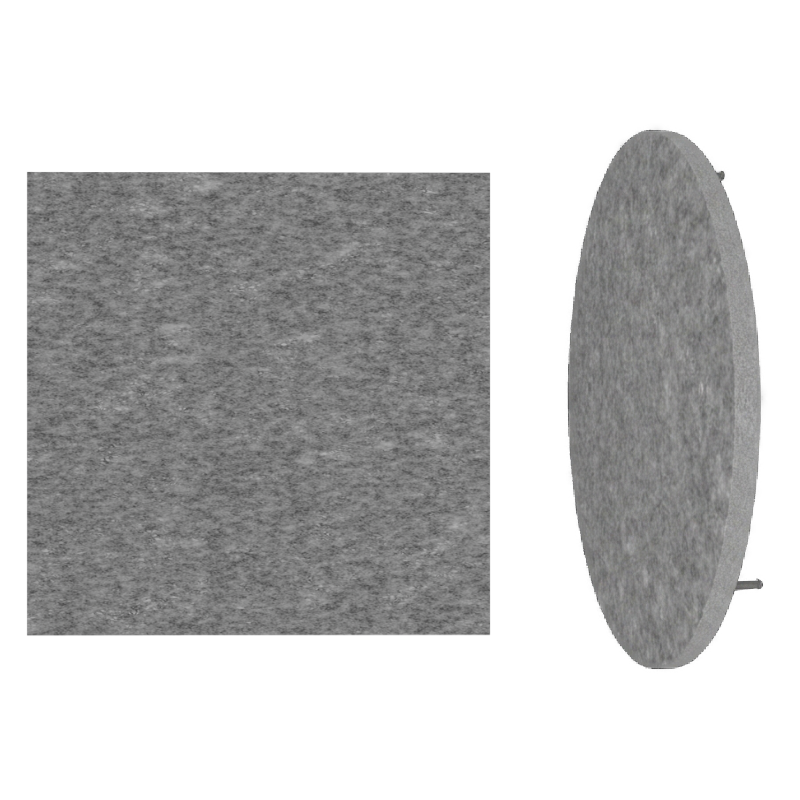
Modern acoustic solutions have long since stopped being about unattractive foam panels. Acoustic Sails and acoustic pictures in particular are ideal for enhancing office interior design—subtly or as deliberate eye-catchers—while still delivering high acoustic effectiveness. This way, the office keeps its representative look while being acoustically upgraded. Thanks to the many customization options, these modules are also perfect for showcasing the company’s corporate identity in the space. The right colors and high-quality prints with the company logo, matching imagery, or aesthetic custom motifs blend seamlessly into the office concept.
6. Avoid the volume spiral
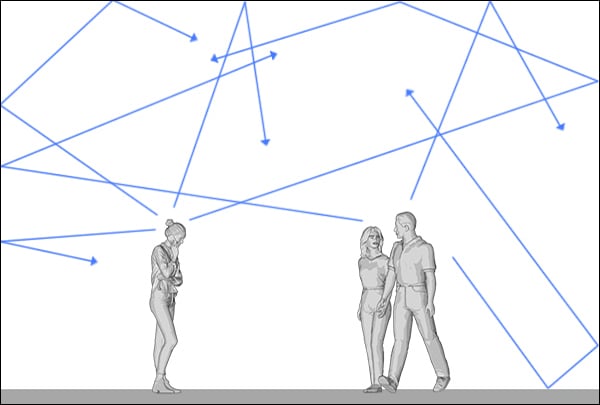
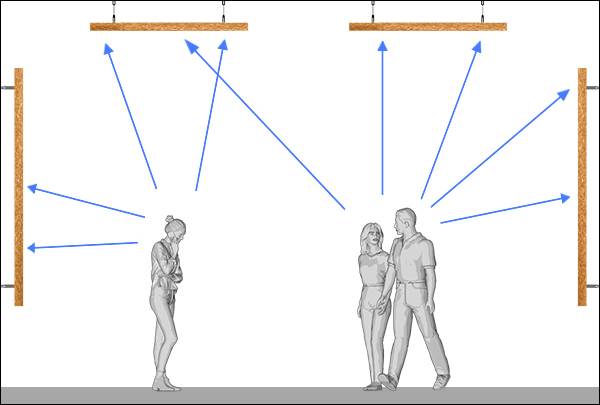
In acoustically untreated, echoey rooms, the so-called Lombard effect often occurs. To drown out the existing conversational noise and reverberation in the room, people instinctively start speaking louder—by 0.3 to 0.6 dB of vocal increase per additional dB of background noise. This causes other colleagues to raise their voices as well. Conversation volume then escalates to a disturbingly high level. This state is physically and mentally exhausting for everyone involved. Acoustic modules remove exactly the reflections that fuel this effect. The spiral is broken, and effortless communication is possible again at normal room volume.
7. Comply with occupational safety and meet standards
Good acoustics aren’t just a matter of comfort—they’re also a matter of occupational safety. The Workplace Ordinance (ArbStättV) requires employers to keep the sound pressure level at the workplace as low as the type of work allows. This obligation is specified by the Technical Rules for Workplaces, in particular ASR A3.7 “Noise,” which also includes room-acoustic requirements. If you comply with these rules, you can assume you meet the ordinance requirements.
In addition, DIN 18041 (“Speech intelligibility in rooms”) provides specific planning recommendations as a recognized rule of technology. For offices, it recommends a sufficient amount of sound-absorbing surfaces in relation to the room volume so that reverberation and noise levels don’t arise in the first place. The goal is to effectively prevent health impairments caused by noise—so-called extra-aural noise effects such as stress, exhaustion, or concentration problems. With professional room-acoustic planning, companies are on the safe side and reliably meet legal and ergonomic requirements.
Conclusion
Good room acoustics in the office are far more than just a “nice-to-have.” They’re a direct investment in the health, performance, and satisfaction of the entire team. Reducing reverberation and noise levels lowers error rates, eases everyday stress factors, and creates an optimal working environment. It also convinces customers with a professional presence and meets legal occupational safety requirements.
To noticeably reduce acoustic strain in office spaces, HOFA-Akustik offers many affordable, visually appealing solutions. Whether flexible desk dividers, custom-made acoustic curtains, highly effective Acoustic Sails, or individually printed acoustic pictures—these modules combine high absorption performance with attractive design.
We’ll be happy to advise you and create a non-binding solution proposal—tailored to usage, room size, and your requirements. If you like, we also offer on-site measuring and acoustic measurements, acoustic calculations, and 3D visualizations of the premises. We’re also happy to take care of the professional installation of HOFA acoustic modules.
HOFA products at a glance
-
HOFA Ceiling Sail
From115,00 €103,50 € -
HOFA Wall Sail
From115,00 €103,50 € -
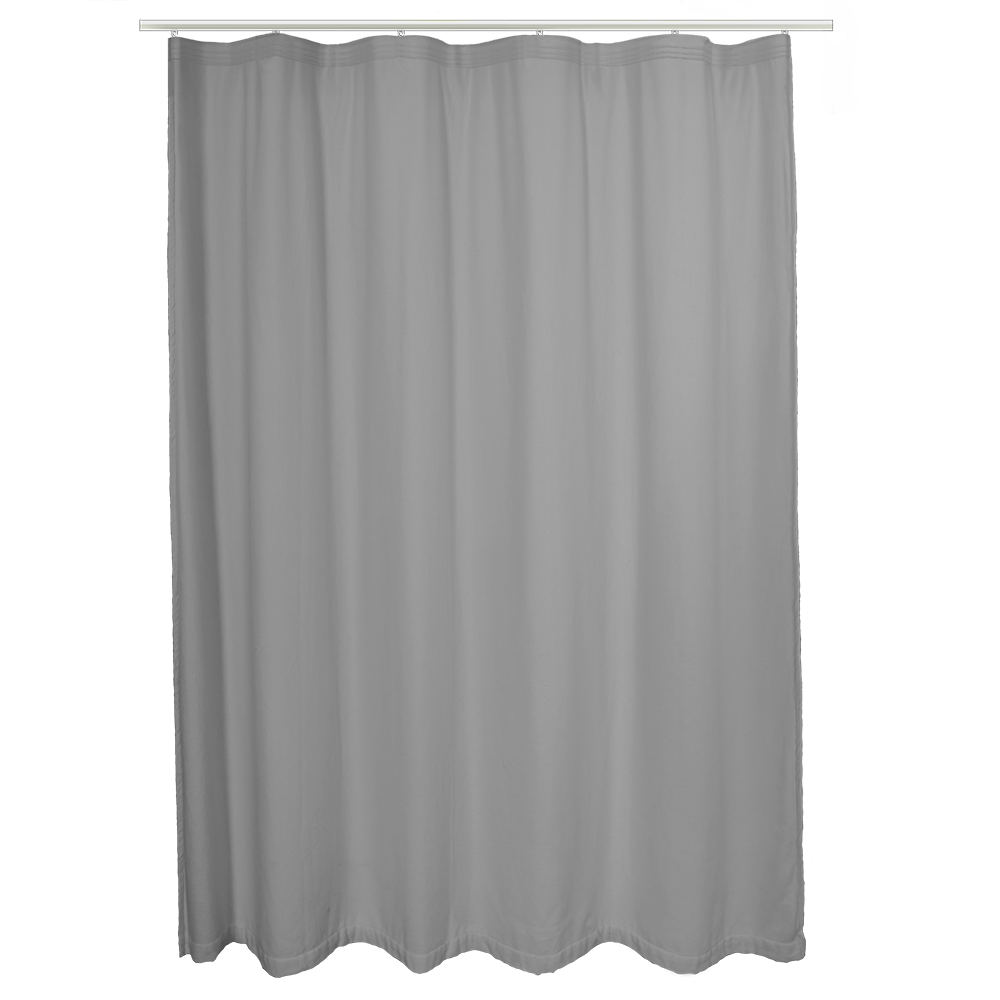
HOFA Acoustic Curtain ISO
From379,00 €341,10 € -
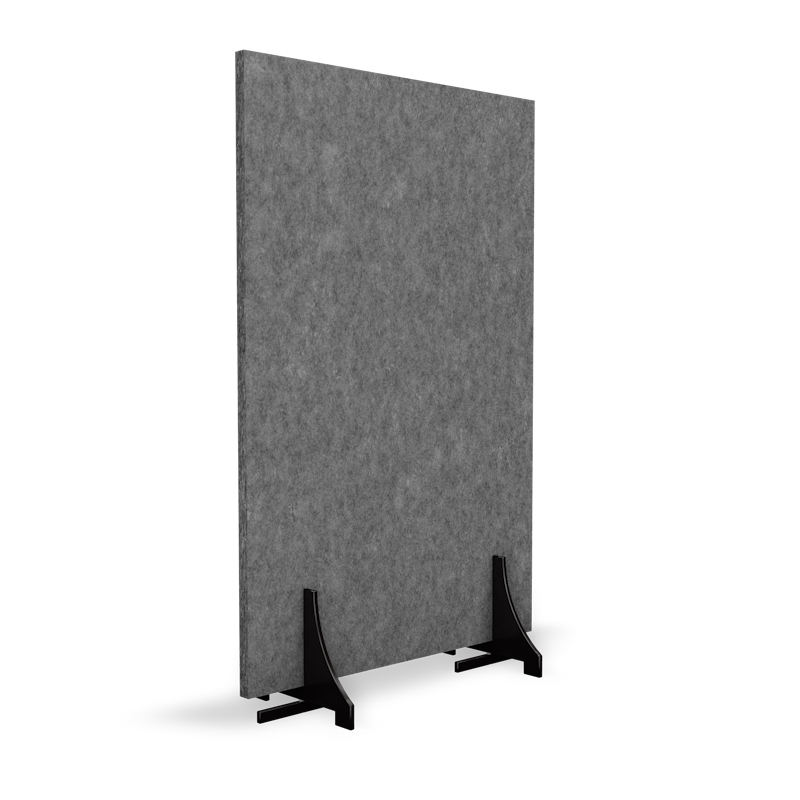
HOFA Acoustic Room Divider
From 409,00 € -
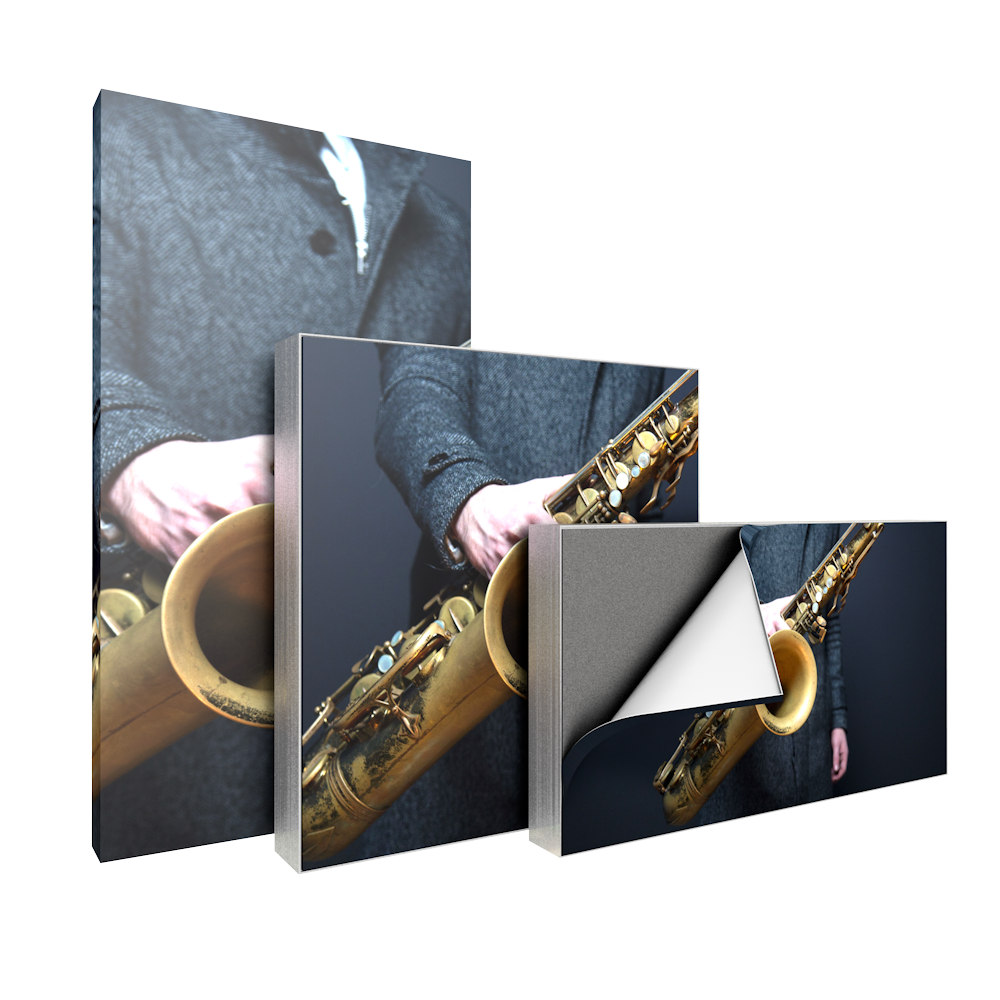
HOFA Acoustic Picture
199,00 €
Reference projects
-
IBsolution GmbH
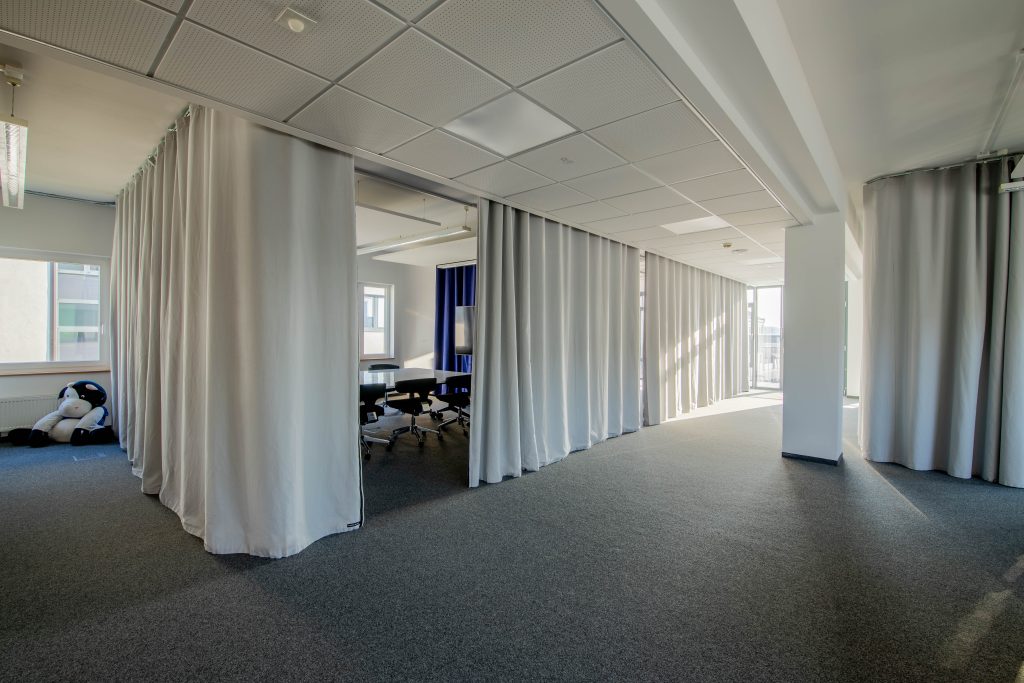
In a modern large-scale office, our ISO curtains were used to acoustically separate individual work areas from one another. The flexible arrangement of the curtains allows for variable use of the office space and makes it possible to adapt the room to changing requirements at…
-
fein.media (Rock Shop)
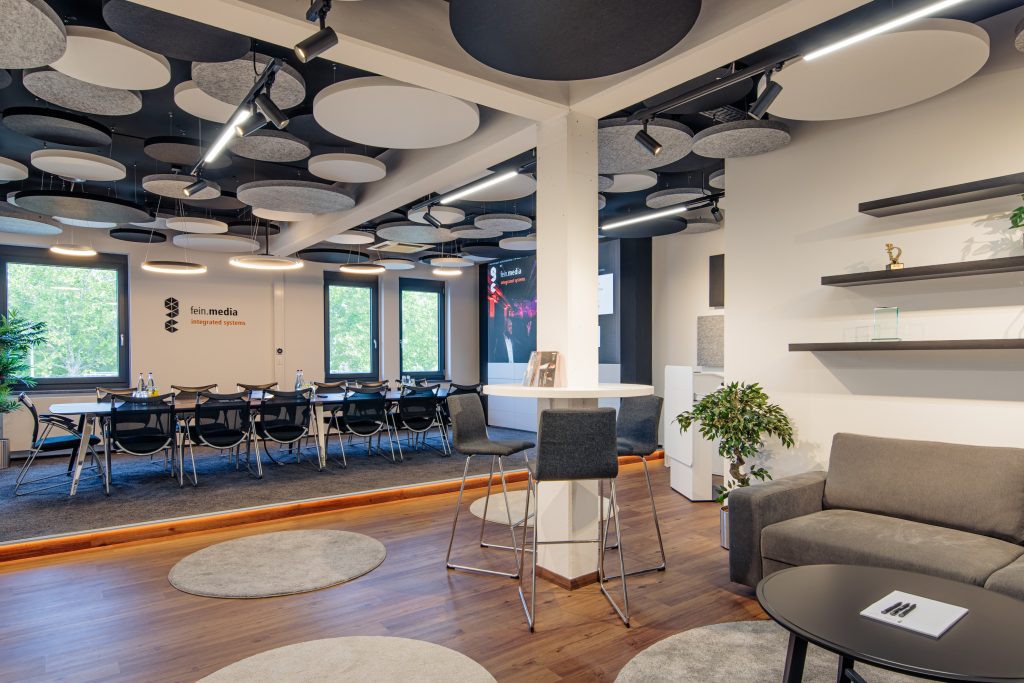
„In 2024, we created our first demo conference room within our office premises, which we use both internally for meetings and to demonstrate various media technologies to our customers. We present complete system solutions, media controls, microphones, LED displays, and much more here. To improve…
-
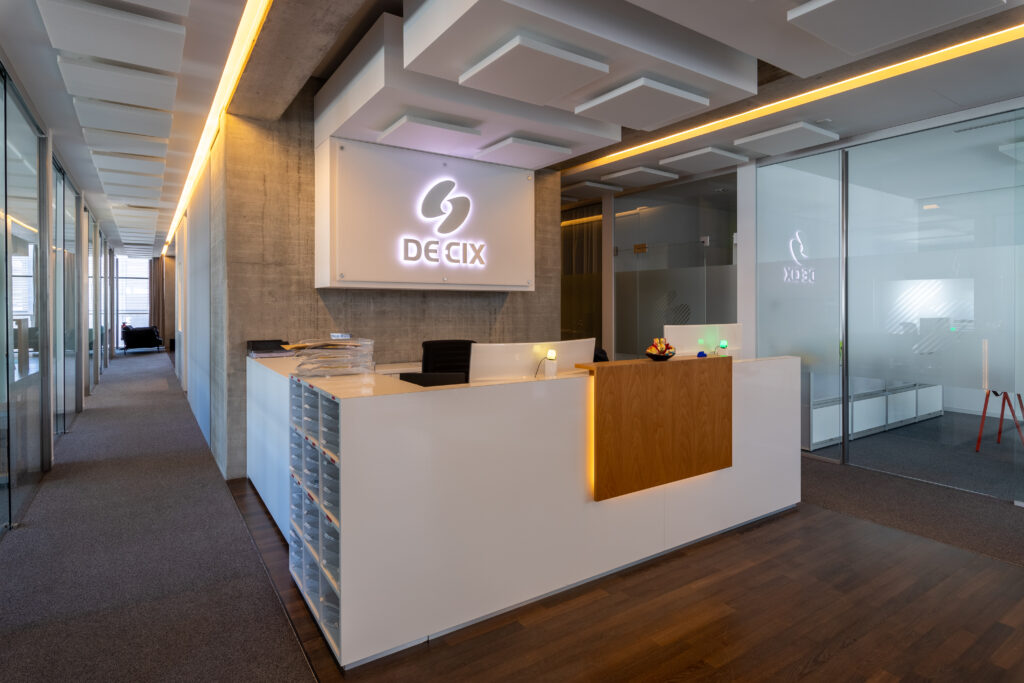
DE-CIX
DE-CIX operates one of the world’s largest Internet exchanges in Frankfurt am Main. A quiet environment is essential for concentrated work here. However, a large office environment with lots of people and technology often creates a problematic acoustic atmosphere. With the help of HOFA modules,…
-
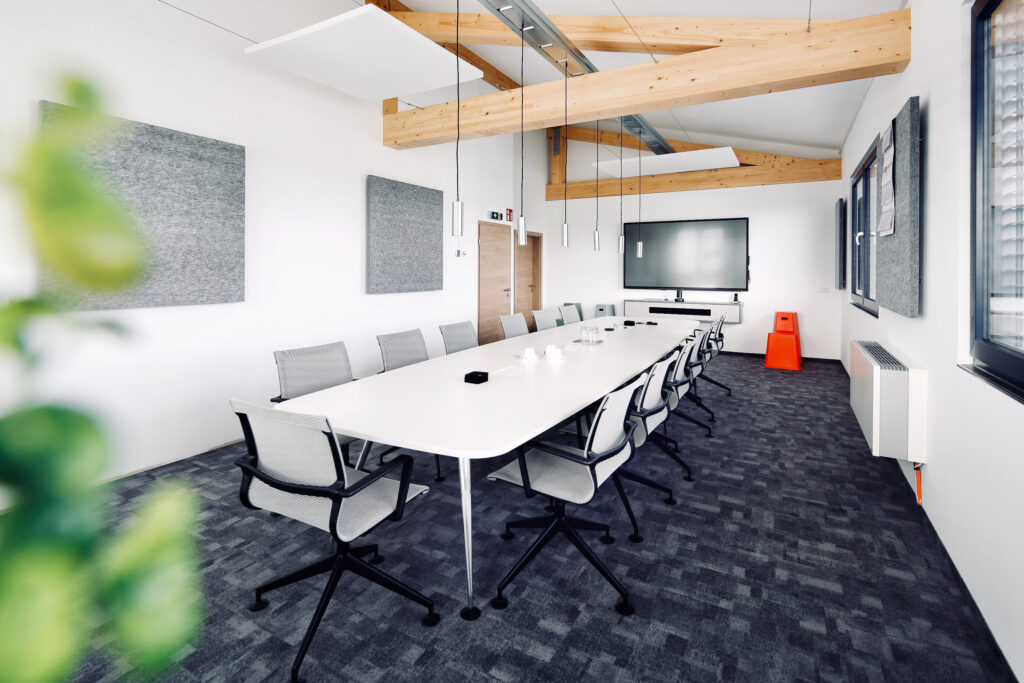
Communications Engineering Bielefeld
The offices and meeting rooms of an IT service provider in Bielefeld, Germany were optimised with HOFA acoustic curtains and acoustic sails.